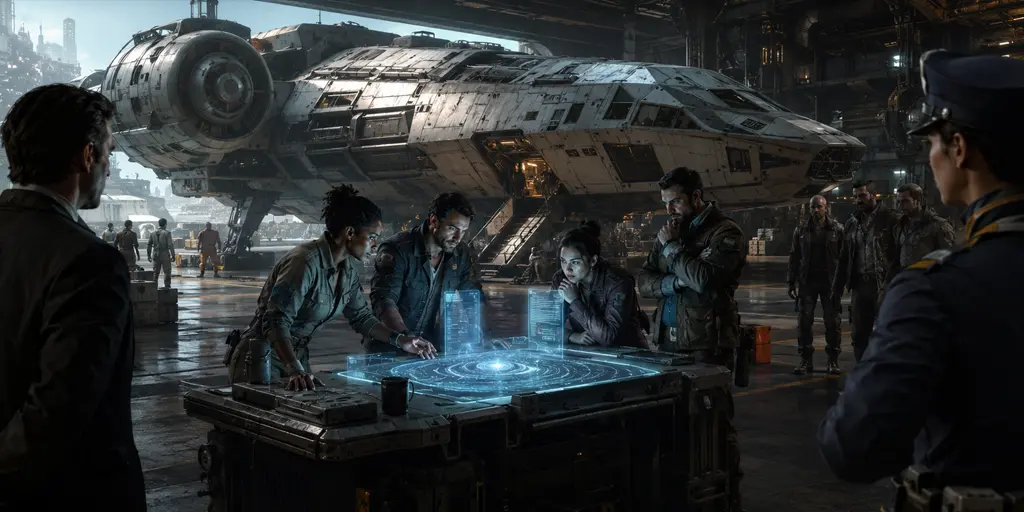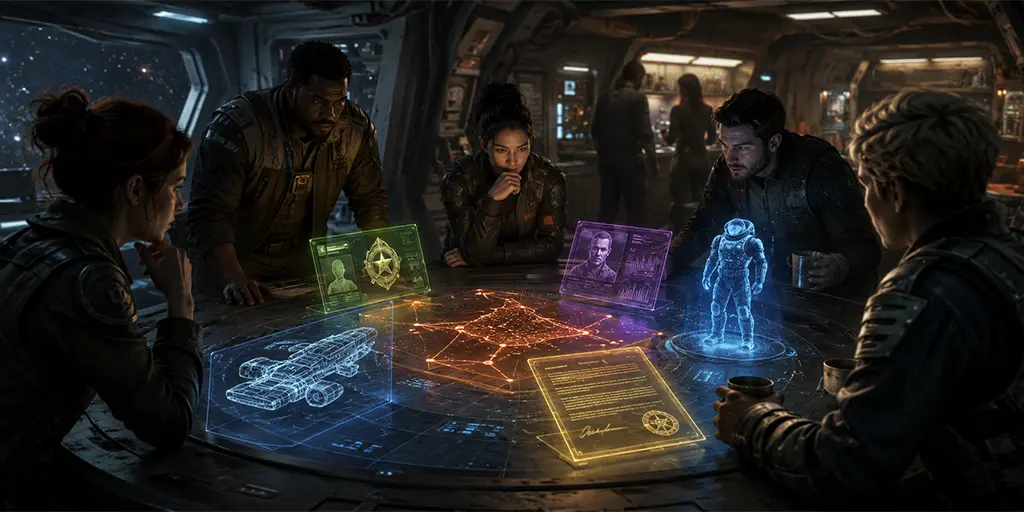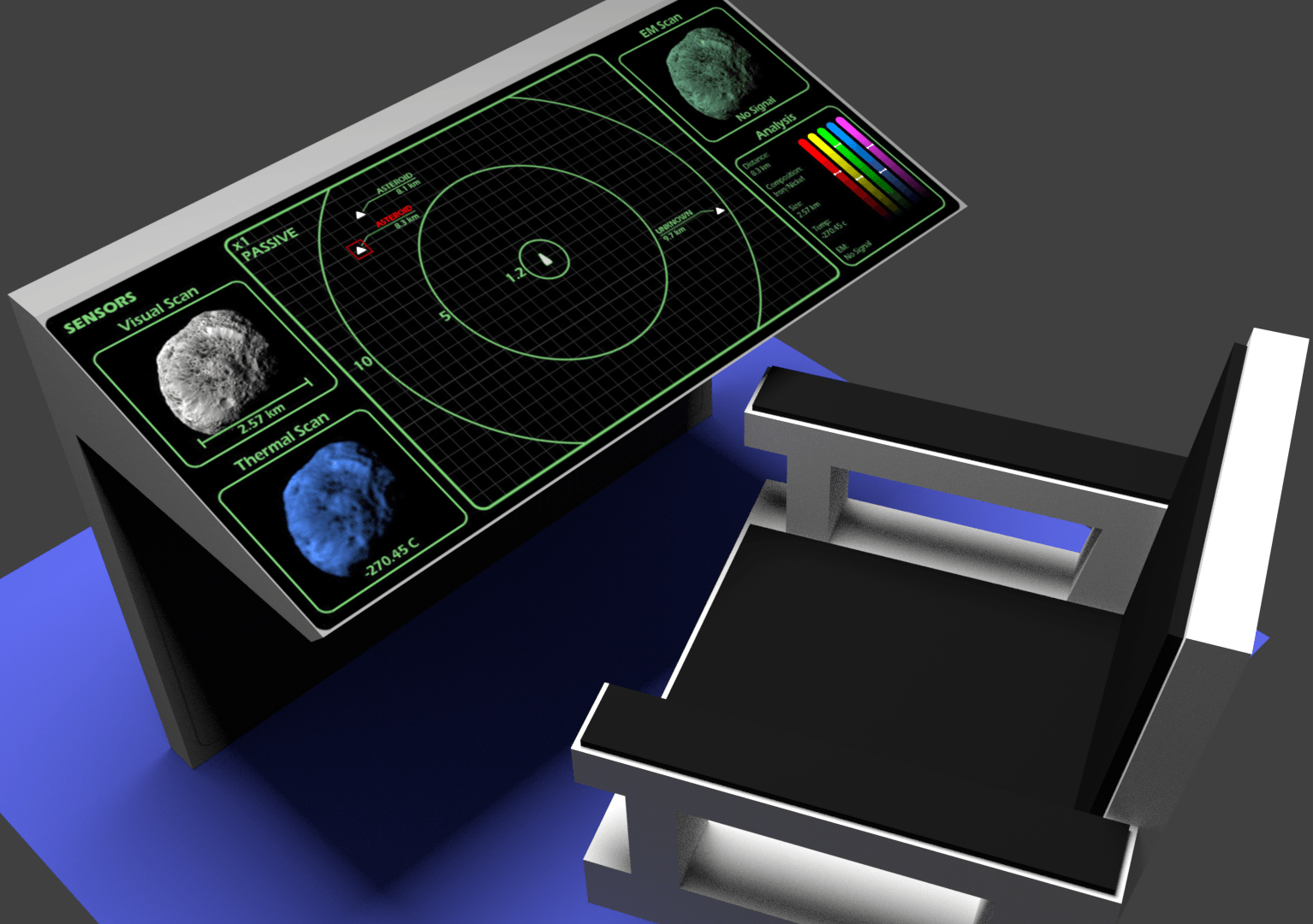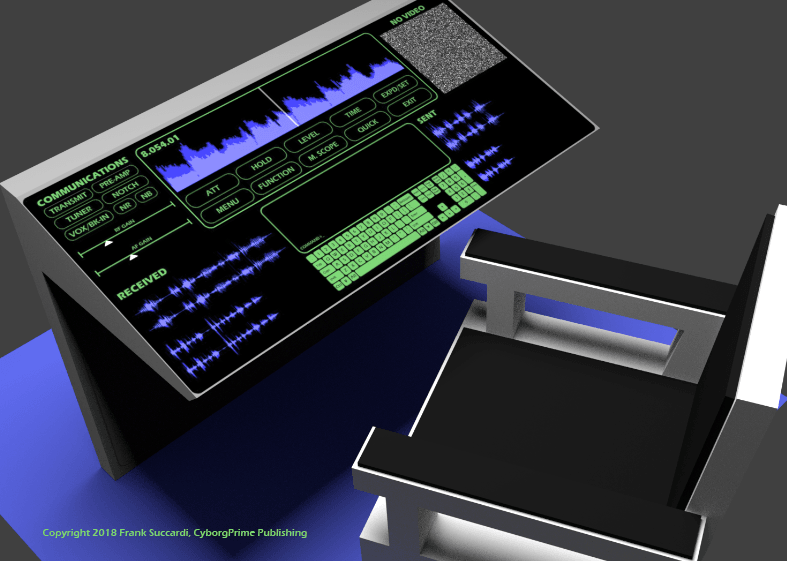
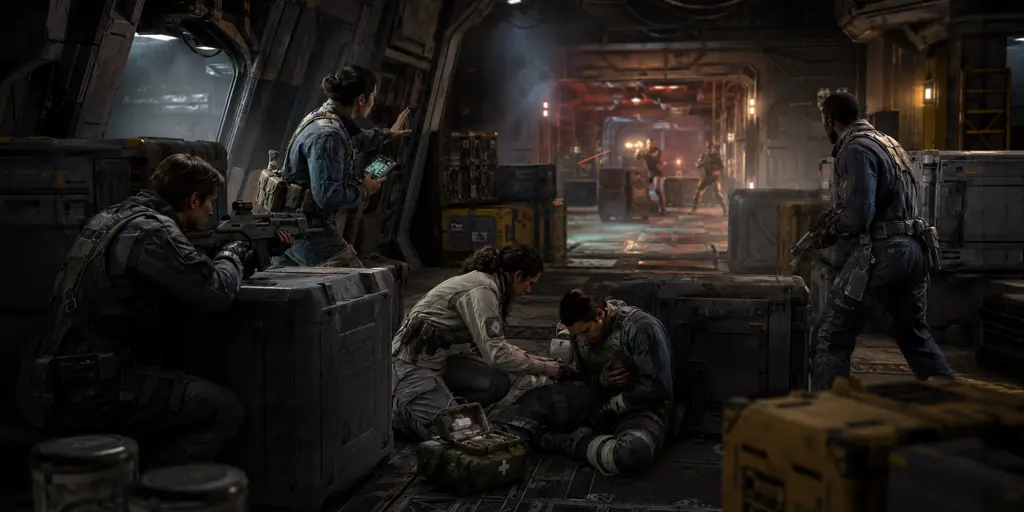
Traveller combat can turn dangerous fast, so this practical combat skills guide shows players and referees how fighting skills, positioning, gear, planning, teamwork, and recovery work together at the table.
Traveller RPG Combat Skills: Fighting, Tactics, Gear, and Survival
Combat in Traveller can be fast, tense, and unforgiving. A single bad exchange can injure a character, change the direction of a mission, or force the crew to negotiate from a much weaker position.
That does not mean every Traveller campaign needs to become a tactical war game, but it does mean players and referees should understand how combat skills fit into play.
This guide is written for beginners, returning players, and referees who want combat to run more clearly at the table. It focuses on practical decisions: which skills matter, how to think about melee and ranged combat, when to use cover, how to plan before a fight, and what to do when someone gets hurt.
For the full official combat rules, weapon details, damage rules, armor rules, and skill procedures, use the Traveller Core Rulebook Update 2022. This article focuses on practical table use, not replacing the rulebook.
Part of the Traveller Skills Path
This guide focuses on combat and fighting skills, but Traveller characters survive by using the whole skill list, not just weapons.
For the broader skill-learning path, start with the Traveller RPG Skills in 60 Seconds Complete Index.
If you are still building a character, you may also want the Traveller Character Creation Guide and the Traveller Careers Explained.
Combat Skills Are Part of the Crew Toolkit
Traveller combat is dangerous because skill, position, equipment, teamwork, and consequences all matter. A combat-focused character is useful, but a crew survives because different characters solve different parts of the problem.
| Skill or Role | Combat Use | Why It Matters |
|---|---|---|
| Gun Combat | Ranged attacks with firearms or similar weapons | Often the most obvious combat skill, but still depends on range, cover, law level, and gear. |
| Melee | Close-quarters fighting | Useful in corridors, shipboard fights, ambushes, bar fights, and situations where guns are risky or illegal. |
| Recon | Spotting threats before they become fights | A detected ambush is much less dangerous than a surprise attack. |
| Tactics | Planning, positioning, and coordinated action | Helps turn a dangerous fight into a controlled operation. |
| Medic | Keeping injured characters alive | The fight is not over if the crew cannot recover afterward. |
| Persuade / Deception | Avoiding, delaying, or redirecting violence | The best combat result is sometimes not needing to fight at all. |
The most useful combat character is not always the one with the biggest gun. It may be the scout who spots the ambush, the medic who keeps someone alive, the pilot who gets the crew out, or the negotiator who prevents the fight from starting.
What Combat Skills Do in Traveller
Combat skills show what kind of danger a character has trained for. They also help explain how that character approaches violence, risk, and pressure.
A former marine, a scout, a streetwise drifter, and a merchant captain may all carry weapons, but they should not all fight the same way. Their skills, background, equipment, and goals should shape their decisions.
For players, this means your best combat option is not always the flashiest weapon on your sheet. Look at what your character is actually good at. A character with strong Gun Combat should think differently from a character who is better with Melee, Recon, Medic, Leadership, or Tactics.
For referees, combat skills are a useful signal for how non-player characters behave. Trained security personnel should use cover, coordinate movement, and protect key objectives. Desperate thugs may rush, panic, or break morale. A veteran bodyguard may not need to defeat the Travellers; they may only need to delay them long enough for the patron to escape.
The Main Types of Traveller Combat
Most Traveller fights can be understood in three broad categories: close combat, ranged combat, and tactical combat. These categories often overlap during the same encounter.
Close Combat
Close combat includes knives, blades, clubs, improvised weapons, unarmed attacks, and other fights at arm’s length. It is dangerous because the situation can change quickly. A fight in a starport alley, a ship corridor, or a cramped cargo bay may leave very little room to retreat.
Close combat rewards characters who can control distance, use the environment, and end the fight quickly. It is also a good reminder that Traveller combat does not always start with both sides standing in the open. Ambushes, boarding actions, bar fights, prison breaks, and security-room scuffles can all push characters into close quarters before they are ready.
Ranged Combat
Ranged combat includes pistols, rifles, shotguns, lasers, support weapons, and other attacks made at a distance. This is often what players think of first when they imagine combat in Traveller, but ranged combat is not just about damage. Range, visibility, cover, armor, ammunition, legality, and collateral damage all matter.
A weapon that makes sense on a battlefield may be a terrible choice inside a ship, station, hotel, or crowded starport. Referees should make the environment matter. Players should ask what their weapons are likely to do to walls, bystanders, cargo, life support, or local law enforcement response.
Tactical Combat
Tactical combat is not a separate weapon category. It is the crew’s ability to fight as a team. This includes planning, scouting, positioning, communication, deception, suppressing an enemy, protecting the medic, controlling an exit, or deciding that the best combat move is to leave.
Traveller rewards preparation. A group with a plan, a backup plan, medical support, and a way out will usually last longer than a group that treats every encounter as a fair fight.
How to Choose Your Best Combat Option
When a fight starts, players often ask, “What should I do?” A simple answer is: use the option that combines your best relevant skill, the right characteristic, the right equipment, and the safest position.
Start with your character sheet. What combat skills do you actually have? Are you better with guns, blades, heavy weapons, explosives, tactics, reconnaissance, or medical support? A character does not need to be the best shooter to be valuable in combat. Spotting an ambush, dragging a wounded ally into cover, hacking a door, piloting the getaway vehicle, or calming a hostile situation can matter just as much.
Then look at the scene. Are you in a corridor, cargo hold, wilderness, urban street, starship bridge, office, hangar, or open desert? The same skill can feel very different depending on the range, lighting, cover, gravity, pressure, and number of bystanders.
Finally, look at the goal. Are you trying to survive, capture someone, escape, delay, protect a patron, recover cargo, avoid legal trouble, or destroy a target? Traveller combat is better when the goal is more interesting than simply eliminating every enemy.
In Traveller, the smartest combat choice is often the one that preserves options: negotiate, retreat, delay, disable, distract, escape, or change the terms of the fight.
Practical Combat Tactics for Players
Use Cover Before You Need It
Do not wait until your character is badly hurt before looking for cover. If a fight is likely, think about where your character can move before the shooting starts. Corners, vehicles, crates, furniture, doorframes, machinery, terrain, and ship structures can all matter.
Cover also gives the referee something concrete to describe. Instead of a flat exchange of attacks, the scene becomes a fight around a barricade, a scramble through a docking bay, or a tense standoff across a cargo lift.
Communicate With the Crew
Traveller parties often include characters with very different strengths. One character may be armored and trained. Another may be a medic. Another may be the only person who can fly the ship. Another may be the face who can talk the crew out of the fight entirely.
Before the campaign gets dangerous, agree on a few simple procedures. Who leads when entering a hostile area? Who covers the rear? Who protects the medic? Who carries emergency medical supplies? What is the retreat signal? Where does everyone go if the plan fails?
Take Aim When the Situation Allows
If your rules situation allows a character to aim, use that option when it makes sense. Aiming is especially useful when the character has time, distance, cover, or a stable position. It is less useful when the enemy is already closing, your allies are exposed, or the mission objective is moving out of reach.
The key is to treat aiming as a tactical choice, not a default behavior. Sometimes the right move is to aim. Sometimes it is to move, take cover, help an ally, throw smoke, retreat, or talk.
Do Not Ignore Non-Combat Skills
Some of the best combat decisions happen before initiative is rolled. Recon may spot danger. Streetwise may warn the group that a neighborhood is unsafe. Persuade or Deception may prevent the fight. Medic may keep someone alive afterward. Electronics, Athletics, Stealth, Leadership, Tactics, and Pilot can all change the shape of a fight.
Traveller is not only about the character who fires the last shot. It is about the crew solving dangerous problems together.
Practical Combat Advice for Referees
Referees should make combat dangerous without making it random, muddy, or unfair. The goal is not to punish the players. The goal is to make danger clear enough that their decisions matter.
State the Stakes Early
Before dice start flying, make sure the players understand what is at risk. Are enemies trying to kill them, capture them, scare them off, delay them, steal something, or protect a location? A fight with clear stakes is easier to run and easier for players to engage with.
Give Enemies Goals
Opponents should not always fight to the death. Security guards may call for backup. Pirates may want cargo, not bodies. A gang may flee when its leader drops. A military unit may withdraw once the objective is complete. This makes combat feel more believable and gives the Travellers more choices.
Use Morale, Movement, and Environment
A good Traveller fight is rarely just two groups standing still. Add doors, consoles, smoke, alarms, pressure leaks, crowds, difficult terrain, bad lighting, vehicle movement, drones, bystanders, or a countdown. You do not need all of these at once. One or two strong environmental details can make a combat encounter memorable.
Keep the Fight Readable
Players make better choices when they can picture the scene. Use clear distances, obvious cover, and simple descriptions. If the fight is complex, summarize the battlefield at the start of each round or major exchange.
A useful referee phrase is: “Here is what you can see, here is what is immediately dangerous, and here are the obvious ways out.”
Gear, Armor, and the Law
Traveller equipment choices should be practical. Weapons, armor, medical supplies, communications gear, sensors, and vehicles all affect combat. However, gear should also create consequences.
A heavily armed crew may survive a firefight but attract law enforcement, customs inspections, suspicious patrons, or nervous locals. A discreet crew may avoid attention but be less prepared if a situation turns violent. A military-grade solution may create political, legal, or social problems that outlast the fight.
Players should think in loadouts. What do you carry openly? What do you keep secured on the ship? What is legal at the current starport? What is concealed? What is non-lethal? What medical gear is immediately available? What equipment helps the party avoid combat entirely?
Referees should make these choices matter without turning every shopping trip into a rules audit. A simple question such as “Are you entering the meeting armed, armored, or discreet?” can create meaningful tension.
Injuries, Recovery, and Aftermath
In Traveller, combat does not end when the last shot is fired. Injuries, legal consequences, reputation damage, lost gear, angry patrons, frightened witnesses, and damaged ships can all become part of the continuing campaign.
Every crew should have a recovery plan. Who has medical training? Where are the medkits? Is there a shipboard medical space? Can the group reach a clinic, hospital, autodoc, or low berth? What happens if the medic is the one who gets hit?
Referees can use aftermath to make combat meaningful. A wounded ally may need evacuation. A defeated enemy may become a prisoner, informant, rival, or future contact. A public firefight may create legal trouble even if the Travellers were technically right.
For NPC-heavy follow-up, combat aftermath is a natural place to introduce contacts, enemies, witnesses, security officers, patrons, medics, bounty hunters, and rivals. If you use NPC resources in your campaign prep, this is where they can become more than names on a list.
A Simple Traveller Combat Checklist
Use this quick checklist before or during a fight:
- Goal: What are we trying to accomplish besides “win the fight”?
- Position: Who has cover, who is exposed, and where are the exits?
- Range: Are we using the right weapons for the distance and environment?
- Teamwork: Who is attacking, helping, covering, treating, scouting, or talking?
- Risk: What happens if we stay in this fight too long?
- Recovery: What is our plan if someone goes down?
This checklist is useful for players, but it is also useful for referees designing encounters. If you cannot answer these questions for the opposition, the fight may need a clearer objective.
Keep Learning Traveller Skills
Combat is only one part of the Traveller skill system. A dangerous campaign also rewards characters who can investigate, negotiate, repair, pilot, heal, sneak, trade, scout, and make plans before the shooting starts.
- Traveller RPG Skills in 60 Seconds Complete Index
- Traveller Character Creation Guide
- Traveller Careers Explained
- Background Skills
- Mustering-Out Benefits
Running combat as a Referee? Explore CyborgPrime AI Tools for Game Masters for NPC ideas, mission complications, consequences, and prep support.
Final Thoughts
Traveller combat works best when it feels dangerous, specific, and connected to the campaign. Combat skills matter, but they are only one part of survival. Smart positioning, good equipment, crew coordination, medical planning, and knowing when to walk away are just as important.
For new players, the best lesson is simple: do not treat every fight as fair, isolated, or consequence-free. For referees, the best lesson is equally simple: make the danger clear, give opponents believable goals, and let player decisions change the outcome.
For more Traveller beginner resources, visit the CyborgPrime Traveller RPG Blog or download the free Intro to Traveller PDF.
Get More Traveller Character and Skills Help
Want more help with Traveller skills, character creation, careers, combat roles, and practical table advice?
Join the Traveller Character Creation list and I’ll send character creation tips, skill resources, career guides, and CyborgPrime updates.
You can also join me and other Traveller fans on the CyborgPrime Discord server.
Browse CyborgPrime RPG Products
Looking for more sci-fi RPG tools, referee resources, maps, and Traveller-compatible campaign support? Browse CyborgPrime RPG products on DriveThruRPG.